
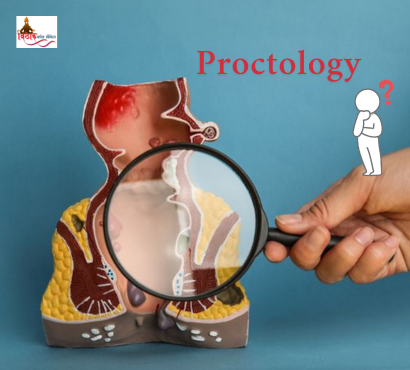
Understanding the Branch of Medicine That Treats Anal and Rectal Disorders. Many people silently suffer from problems like piles, fissures, fistula, constipation, or anal pain, often feeling embarrassed to talk about them. These conditions not only affect physical health but also impact confidence, lifestyle, and emotional well-being. Thankfully, there is a specialized branch of medicine called proctology that focuses entirely on diagnosing and treating these issues.
We’ll explore what proctology is, common conditions it treats, treatment options, and the role of proctologists.
We’ll also address a very common patient query: “What is the name of specialist doctor who deals with piles, fissure, fistula, and anal problems?”
What is Proctology?
Proctology is a sub-specialty of general surgery that deals with disorders of the rectum, anus, and perianal area.
- The term “Procto” comes from the Greek word meaning rectum.
- Hence, proctology literally translates to “the study and treatment of rectal diseases.”
This branch is dedicated to diagnosing and managing conditions such as:
- Piles (Hemorrhoids) – swollen veins in the rectum or anus.
- Anal fissure – a painful tear in the lining of the anus.
- Fistula-in-ano – an abnormal tract connecting the anal canal with the skin.
- Anal cancer – rare but serious malignancy of the anal tissues.
- Anal polyps – abnormal growths in the rectum or anus.
- Hypertrophied anal papillae – enlarged tissue inside the anal canal.
- Pilonidal sinus – small tunnel in the skin that often becomes infected.
- Perianal abscess – pus collection near the anus.
- Rectal prolapse – protrusion of rectum through the anus.
- Chronic constipation and ulcerative colitis (inflammatory bowel disease).
- Pregnancy-related piles and fissures – a common yet sensitive concern for women.
Thus, proctology is not just about piles; it is a complete branch dedicated to multiple anorectal conditions.
Why is Proctology Important?
Anal and rectal problems are often ignored because of social stigma. Patients tend to self-medicate, delay diagnosis, or use home remedies that may not address the root cause. This delay can worsen the disease and sometimes lead to surgical complications.
Proctology is important because:
- It provides targeted treatment for anorectal disorders.
- It ensures patient comfort and privacy, which is crucial for sensitive conditions.
- Specialized proctology hospitals are equipped with modern instruments, painless laser treatments, and daycare facilities.
- Women, especially those with pregnancy-related piles and fissures, receive tailored care in a respectful environment.
What is the Name of a Specialist Doctor Who Deals With Piles, Fissure, Fistula, and Anal Problems?
The specialist doctor who treats piles, fissures, fistulas, and other anal problems is called a:
👉 Proctologist (Anorectal Surgeon)
Proctologists are general surgeons with special training in anorectal diseases. In India, many colorectal surgeons or general surgeons also handle these cases, but proctologists work in dedicated hospitals with advanced setups.
Treatment Options in Proctology
Proctology includes both non-surgical and surgical management depending on the condition’s severity.
1. Non-Surgical Treatments
- Lifestyle changes – high-fiber diet, hydration, avoiding prolonged sitting.
- Medications – stool softeners, topical ointments, anti-inflammatory drugs.
- Minimally invasive procedures – banding or sclerotherapy for piles.
2. Surgical & Advanced Treatments
When conservative management fails, surgery is considered. Today, modern proctology hospitals use minimally invasive and laser-based surgeries that are:
- Painless or less painful
- Quick recovery
- Daycare procedures (patients can go home the same day)
- Insurance-covered in most cases
Common surgical techniques include:
- Laser hemorrhoidoplasty for piles
- Laser fissurectomy for fissures
- Fistula laser closure (FiLaC)
- Excision of pilonidal sinus
- Stapler surgery for prolapse
Special Considerations for Women Patients
Women often experience anorectal issues during and after pregnancy. Conditions like pregnancy-induced piles or fissures have a slightly different pathology and must be treated carefully.
- Proctology hospitals ensure privacy and comfort for female patients.
- Lady proctologists are also available in many centers to provide a more comfortable consultation.
- Treatment plans consider pregnancy, postpartum recovery, and breastfeeding safety.
Facilities in Modern Proctology Hospitals
Unlike general hospitals, exclusive proctology centers provide:
- Dedicated OPD and diagnosis rooms
- Specialized equipment for laser procedures
- Post-operative pain management facilities
- Comfortable and private recovery wards
- Insurance recognition for procedures
This ensures complete patient comfort from diagnosis to treatment.
Prevention of Proctology-Related Disorders
Many anal and rectal diseases can be prevented with healthy lifestyle practices:
- Eat a fiber-rich diet (vegetables, fruits, whole grains).
- Drink 2–3 liters of water daily.
- Avoid prolonged sitting on toilets or straining.
- Exercise regularly to improve bowel function.
- Seek early medical consultation if you notice bleeding, pain, or discharge.
Vitthal Piles Hospital is located in PCMC, Pune, with three branches.
This hospital is highly appreciated by everyone who has visited or received treatment here.
Dr. Sarita Patil, a lady proctologist, and Dr. Atul Patil are the specialist piles surgeons available.
To consult them, visit them at the Baner, Ravet, Pimple Saudagar, Moshi, Chikhali, Nigdi, and Pimpri Chinchwad areas.
Call for details: 9405659585
FAQs
1. Can piles and fissures be cured without surgery?
Yes. In the early stages, piles and fissures often respond well to diet changes, medicines, and lifestyle modifications. Surgery or laser treatment is only required in advanced cases or when conservative care fails.
2. Is laser treatment for piles and fistula safe?
Laser procedures are safe, effective, and minimally invasive. They cause less pain, faster recovery, and minimal complications compared to traditional surgery. Most patients can resume daily activities within a few days.
3. When should I see a proctologist?
You should consult a proctologist if you have rectal bleeding, severe constipation, pain while passing stools, persistent itching, pus discharge, or a lump around the anus. Early diagnosis prevents complications.