
Piles (hemorrhoids) are swollen, inflamed veins in the rectum and anus that cause pain, discomfort, bleeding, and affect millions of Indians every year. Modern lifestyles, low-fibre diets, chronic constipation, and prolonged sitting have made piles more common in both urban and rural India. Fortunately, medical advances mean that surgery is no longer the only choice for relief. Rubber Band Ligation (RBL) is a minimally invasive, quick, and effective non-surgical treatment that has changed how doctors—and patients—manage grades 1 and 2 piles. This comprehensive guide explains how RBL works, who is a good candidate, what to expect, and the benefits and potential risks so you can make an informed decision.
What Is Rubber Band Ligation (RBL)?
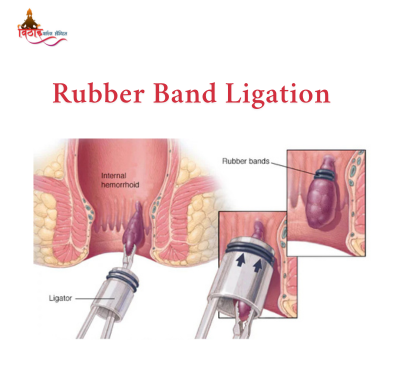
Rubber Band Ligation is an outpatient procedure used to treat internal hemorrhoids. In RBL, a small rubber band is placed at the base of the internal pile (hemorrhoid), cutting off its blood supply. Within a few days, the hemorrhoid shrinks, dies, and falls off during a regular bowel movement, leaving behind subtle scar tissue that stabilizes the blood vessels and reduces the risk of recurrence.
Who Is RBL Suitable For?
- Best for: Internal piles (hemorrhoids) grades 1 and 2 (mild-to-moderate, no major prolapse, no large external lumps)
- Not suitable for: Large external piles, very advanced (grade 4) hemorrhoids, or patients with clotting disorders and certain active infections
- May be considered for: Recurrent bleeding, failed home remedies, or when surgery is not feasible due to age, medical risks, or personal preference
How Is the Procedure Done?
- Step 1: Outpatient appointment (no general anesthesia needed)
- Step 2: A small instrument (ligator) is inserted through a proctoscope into the rectum to view the piles.
- Step 3: The base of the pile is gently drawn into the ligator and a tight rubber band is slipped around it.
- Step 4: Blood supply stops; over a few days, the pile shrinks, becomes necrotic, and falls off.
- Step 5: Most patients return home within an hour and resume light daily activities the next day.
What Does Recovery Look Like?
- Mild discomfort, a feeling of fullness, or an urge to defecate for 1–2 days
- Occasional mild bleeding when the banded tissue separates (after 5–10 days)
- Warm sitz baths, pain relievers, and a high-fibre diet are recommended
- Most patients can go back to work within a day, but should avoid strenuous activity for a few days
Rubber Band Ligation vs. Surgery
| Criteria | Rubber Band Ligation (RBL) | Surgical Hemorrhoidectomy |
| Invasiveness | Minimally invasive, outpatient | Invasive, requires anesthesia |
| Recovery | Quick, back to work in 1–2 days | Longer recovery, several days off work |
| Pain | Mild, short-lasting | Moderate-to-severe, may persist |
| Effectiveness (grade II) | Highly effective | Highly effective |
| Effectiveness (grade III-IV) | Less effective, higher recurrence | Gold standard for severe cases |
| Cost | Lower | Higher |
| Risks | Fewer, usually mild | Higher complication risk |
Benefits of Rubber Band Ligation
- Does not require hospitalization or full anesthesia
- Cost-effective and convenient—ideal for working adults and the elderly
- Low risk of serious complications
- High patient satisfaction, especially for early-stage piles
- Can be repeated if needed
Risks and Side Effects
- Mild pain or discomfort for a few days
- Occasional minor bleeding when the banded tissue falls off
- Rarely, severe bleeding or infection may occur (seek urgent care if heavy bleeding, fever, or severe pain)
- Not suitable for external piles or heavily prolapsed (grade IV) piles, as the pain is greater and the results less effective
What Results Can You Expect?
- More than 80–90% success rate for appropriate candidates (grades 1–2)
- Fewer recurrences versus sclerotherapy or home remedies; repeated sessions possible if piles return
- Most complications are minor and resolve with supportive care
Aftercare and Prevention
- Follow a high-fibre diet—add whole grains, fresh fruits, and vegetables
- Drink plenty of water each day; avoid dehydration and constipation
- Use stool softeners if prescribed; avoid straining during bowel movements
- Maintain hygiene—gentle cleaning, warm sitz baths
- Return for review as scheduled by your proctologist provider
FAQ
- Does rubber band ligation hurt?
Most patients experience little or mild discomfort, but it is far less painful than surgical options. Severe pain is rare and may indicate the band is too close to the nerve-rich area—contact your doctor if this happens. - Can rubber band ligation be repeated?
Yes, if piles recur or if multiple piles are present, banding can be safely repeated at intervals as directed by a doctor. - When should I avoid the procedure?
RBL is not suitable for external hemorrhoids, actively infected or bleeding piles, or those with certain blood clotting problems or allergies to latex. Always discuss your medical history before proceeding.