
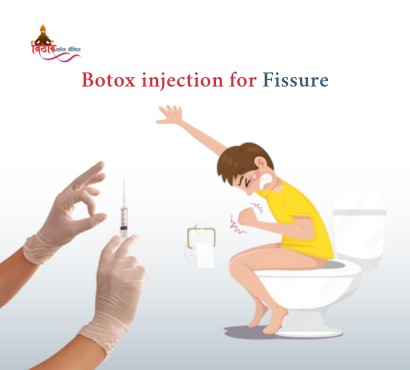
Anal fissure is a small tear in the skin of the anal canal that can cause sharp, cutting pain during and after bowel movements, sometimes with bleeding. When it becomes chronic, pain leads to anal muscle spasm, spasm reduces blood supply, and poor blood supply prevents healing—creating a vicious cycle.
Traditionally, chronic fissures that failed creams and diet changes were treated with lateral internal sphincterotomy (LIS) surgery, which is effective but carries a small risk of gas or stool leakage. Botulinum toxin (Botox) injection offers a non‑cutting, sphincter‑relaxing alternative, especially valuable for patients worried about continence.
How Anal Fissures Develop
Most anal fissures are caused by:
- Passing hard, dry stool due to constipation.
- Repeated straining during bowel movements.
- Sometimes, episodes of diarrhoea or trauma.
In chronic fissure:
- The internal anal sphincter becomes pathologically tight (hypertonic), raising resting anal pressure.
- High pressure reduces blood flow to the posterior midline, where fissures often sit, and the wound fails to heal.
- A skin tag (sentinel pile) or hypertrophied papilla may appear, signalling chronicity.
So, effective treatment must break the cycle of spasm and poor blood supply.
Conventional Treatment Options
Initial conservative management includes:
- High‑fibre diet, plenty of fluids.
- Sitz baths (warm water soaks).
- Stool softeners, laxatives as needed.
- Topical nitroglycerin or calcium channel blocker creams to relax the sphincter.
When these measures fail after 6–8 weeks, options traditionally were:
- Lateral internal sphincterotomy – surgical division of a portion of the internal sphincter; high healing rates but a small risk of transient or long‑term incontinence.
Botox injection emerged as a less invasive, sphincter‑relaxing technique that avoids cutting muscle.
What Is Botox and How Does It Help Anal Fissures?
Botulinum toxin type A (commonly called Botox) is a purified neurotoxin that temporarily blocks nerve signals to muscles, causing them to relax.
In fissure treatment:
- Botox is injected into the internal anal sphincter muscle near the fissure.
- This reduces resting anal pressure for about 2–3 months, improving blood flow to the fissure area and allowing the tear to heal.
Healing happens because the muscle relaxes, stool passes with less trauma, and the tissue finally gets a chance to repair.
The Botox Injection Procedure
Although techniques vary slightly, general steps are:
- Performed as a day‑care, minimally invasive procedure.
- Local anaesthesia, sometimes with light sedation.
- A small needle delivers 30–50 units of Botox into each side of the internal sphincter (total dose tailored to patient and protocol).
- The procedure takes only a few minutes; patients usually go home the same day.
Effects:
- Spasm reduction begins in 5–7 days, peaks over 2 weeks, and lasts about 2–3 months as the toxin effect gradually wears off.
Effectiveness of Botox for Chronic Anal Fissure
Clinical studies and reviews show:
- Healing rates around 60–80% after a single injection course for chronic anal fissure, particularly in uncomplicated posterior fissures.
- One prospective series reported 23 out of 28 patients with chronic posterior fissures cured after initial Botox therapy.
- Combination approaches (e.g., Botox plus topical therapy) may further improve healing in selected patients.
Compared with LIS:
- LIS generally has higher single‑procedure cure rates but a higher potential risk of minor incontinence.
- Botox offers a reversible, sphincter‑sparing option, attractive for patients at higher leakage risk (e.g., women with prior childbirth injuries, elderly, those with weak sphincters).
Some patients may need repeat injections if the fissure recurs; this is usually still less invasive than surgery.
Possible Side Effects and Safety
Botox injections for fissure are generally well‑tolerated:
- Mild discomfort or bruising at injection site.
- Temporary minor leakage of gas or slight soiling may occur in a small percentage but usually resolves as the toxin effect wears off.
- Serious complications are rare when performed by experienced colorectal surgeons or proctologists.
Because the effect is temporary, any continence changes are expected to be reversible over a few months, unlike over‑aggressive sphincter cuts.
Who Is a Good Candidate for Botox Injection?
Botox is often considered when:
- The fissure is chronic and unresponsive to at least 6 weeks of conservative creams and lifestyle changes.
- There is evidence of high resting anal tone.
- The patient is at higher risk for incontinence from surgical sphincter division (e.g., women with multiple vaginal deliveries, previous anorectal surgery, older adults).
- The patient prefers a non‑surgical, reversible option before committing to LIS.
Botox may be less effective in very complex fissures, multiple previous anal surgeries, or when other anorectal conditions coexist; your surgeon will assess suitability.
Recovery After Botox for Fissure
Most people experience:
- Same‑day discharge and quick return to light activities.
- Gradual reduction in pain over 1–2 weeks as sphincter relaxes and bowel movements become less traumatic.
- Need to continue high‑fibre diet, hydration, and stool softeners during healing.
Important:
- Botox relaxes the muscle but does not fix constipation—so bowel‑care and lifestyle remain crucial to prevent recurrence.
- Follow‑up visits help confirm healing and decide if another injection or alternative treatment is needed.
FAQ
1) Is Botox injection as effective as fissure surgery (LIS)?
Lateral internal sphincterotomy generally has the highest single‑procedure cure rates, but carries a small but real risk of gas or stool leakage. Botox injection offers healing rates around 60–80% in many studies, particularly in chronic posterior fissures, with a much lower risk of permanent incontinence. Some patients who do not heal after Botox may later choose surgery, but many prefer to try this reversible option first.
2) How long do the effects of Botox last, and will my fissure come back when it wears off?
The muscle‑relaxing effect usually appears within a week, peaks over the next couple of weeks, and lasts about 2–3 months. During this window, improved blood flow and less trauma allow the fissure to heal. If healing is complete, the tear often stays closed even after Botox wears off, as long as constipation and straining are controlled. If underlying factors persist, symptoms can recur, and some patients may benefit from a repeat injection or surgery.
3) What can I do along with Botox to improve healing and prevent recurrence?
The best results come when Botox is combined with good bowel habits and local care: a high‑fibre diet, adequate water, regular physical activity, stool softeners when needed, avoiding prolonged straining or sitting on the toilet, and warm sitz baths to relax the area. Strictly following your surgeon’s instructions and coming for follow‑up helps to catch any persistent issues early and decide whether further therapy is required.