
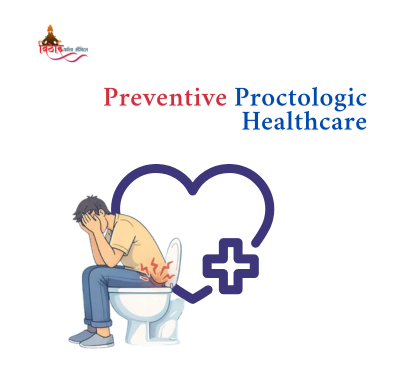
Preventive healthcare plays a critical role in reducing the risk of common proctologic and abdominal conditions such as Hemorrhoids, Anal fissure, Hernia, constipation, and digestive disorders. Simple lifestyle habits like eating fiber-rich foods, staying active, maintaining a healthy weight, and avoiding straining during bowel movements can significantly protect long-term colorectal and abdominal health.
Why Preventive Healthcare Matters for Digestive and Colorectal Health
Many abdominal and rectal disorders develop gradually due to poor lifestyle habits. The good news is that most are preventable with early intervention.
Preventive healthcare helps:
- avoid painful rectal conditions
- reduce need for surgery
- improve digestion
- maintain bowel regularity
- reduce cancer risk
- enhance overall quality of life
In India, sedentary lifestyles and low-fiber diets are major contributors to rising colorectal issues.
Common Proctologic and Abdominal Conditions That Can Be Prevented
Understanding risks helps prevent disease early.
Piles (Hemorrhoids)
Caused by swollen rectal veins due to:
- chronic constipation
- prolonged sitting
- pregnancy
- obesity
- low-fiber diet
Preventing constipation is the strongest protection strategy.
Anal Fissures
Small tears in the anal canal often occur due to:
- hard stools
- straining
- dehydration
- irregular bowel habits
They can become chronic if ignored.
Hernia
A hernia occurs when internal tissue pushes through a weak abdominal wall.
Common triggers include:
- heavy lifting
- obesity
- chronic coughing
- constipation
- weak muscles
Lifestyle correction reduces risk significantly.
Chronic Constipation
Constipation is the root cause of many anorectal disorders.
Symptoms include:
- hard stools
- infrequent bowel movement
- straining
- incomplete evacuation feeling
Preventing constipation prevents multiple diseases.
Importance of Fiber in Preventing Rectal and Digestive Disorders
Fiber keeps stool soft and easy to pass.
Adults should consume:
25–35 grams fiber daily
High-fiber Indian foods include:
- oats
- whole wheat roti
- fruits like papaya
- leafy vegetables
- flax seeds
- legumes
Fiber reduces pressure on rectal veins and prevents fissures.
Hydration: A Simple Yet Powerful Preventive Tool
Water plays a major role in digestive health.
Benefits include:
- softer stools
- improved metabolism
- toxin removal
- reduced constipation risk
Adults should aim for:
2.5–3 liters daily (unless medically restricted)
Hydration alone prevents many colorectal complaints.
Healthy Bowel Habits That Protect Rectal Health
Many people unknowingly develop habits that increase disease risk.
Follow these safe bowel practices:
Avoid Straining
Straining increases rectal pressure and causes piles.
Instead:
- increase fiber intake
- hydrate properly
- walk daily
Do Not Delay Urge to Pass Stool
Ignoring natural urges causes stool hardening.
This increases fissure risk.
Limit Toilet Sitting Time
Avoid mobile phone use in toilets.
Sitting longer than 5 minutes increases rectal vein pressure.
Role of Physical Activity in Preventing Abdominal Disorders
Exercise improves intestinal movement.
Benefits include:
- prevents constipation
- strengthens abdominal muscles
- reduces hernia risk
- supports weight control
Recommended activities:
- brisk walking
- yoga
- cycling
- stretching exercises
Even 30 minutes daily makes a difference.
Maintaining Healthy Weight Reduces Hernia Risk
Obesity increases abdominal pressure.
This contributes to:
- hernia
- piles
- acid reflux
- fatty liver disease
Weight control improves digestive performance and prevents complications.
Diet Changes That Protect Abdominal Health Long-Term
Balanced nutrition supports intestinal function.
Include:
Whole Grains
Examples:
- brown rice
- multigrain roti
- oats
These support bowel movement regularity.
Fruits
Best preventive options:
- banana (moderate intake)
- apple
- papaya
- pear
They provide fiber and digestive enzymes.
Vegetables
Especially helpful:
- spinach
- bottle gourd
- carrot
- cabbage
Vegetables support gut microbiome health.
Preventing Hernia Through Safe Physical Practices
Simple precautions reduce abdominal wall stress.
Avoid:
- lifting heavy weights incorrectly
- sudden jerking movements
- chronic coughing untreated
- constipation-related straining
Use proper posture during lifting tasks.
Workplace Habits That Affect Digestive Health
Modern desk jobs contribute significantly to digestive disorders.
Improve habits by:
- standing every hour
- stretching regularly
- drinking water frequently
- eating on schedule
Sedentary routines increase constipation risk.
Importance of Gut-Friendly Eating Schedule
Irregular meal timing weakens digestion.
Healthy schedule includes:
- fixed breakfast time
- early dinner
- avoiding late-night meals
- smaller frequent meals
Routine improves bowel rhythm.
Preventing Abdominal Problems During Pregnancy
Pregnancy increases risk of piles and constipation.
Safe preventive measures:
- high-fiber diet
- adequate hydration
- walking daily
- avoiding prolonged sitting
Consult doctors before using laxatives.
Role of Stress in Digestive Disorders
Stress directly affects gut movement.
It may cause:
- constipation
- acidity
- bloating
- irritable bowel symptoms
Managing stress improves bowel health naturally.
Helpful methods include:
- yoga
- meditation
- breathing exercises
Warning Signs That Should Never Be Ignored
Preventive care also means recognizing early symptoms.
Consult a doctor if you notice:
- rectal bleeding
- persistent constipation
- abdominal swelling
- pain during bowel movement
- unexplained weight loss
Early treatment prevents complications.
Importance of Regular Health Check-Ups
Routine screening helps detect issues early.
Recommended Proctologist evaluations include:
- stool examination
- abdominal ultrasound
- colonoscopy (if advised)
- blood tests
Especially important after age 40.
Preventing Colorectal Cancer Through Lifestyle Choices
Healthy habits reduce cancer risk significantly.
Protective strategies include:
- high-fiber diet
- quitting smoking
- limiting alcohol
- regular exercise
- maintaining healthy weight
Screening further improves survival rates.
Practical Daily Preventive Routine for Digestive Health
Follow this simple checklist:
Morning:
- drink warm water
- eat fiber-rich breakfast
Afternoon:
- hydrate regularly
- avoid junk food
Evening:
- walk after dinner
- avoid late-night meals
Consistency prevents most anorectal disorders.
Prevention Is Easier Than Treatment
Most proctologic and abdominal problems are lifestyle-related.
With small daily adjustments, you can:
- prevent piles
- reduce fissure risk
- avoid hernia
- improve digestion
- protect colorectal health
Preventive healthcare remains the most powerful long-term solution.
FAQ
Can piles be prevented permanently?
Yes. A fiber-rich diet, hydration, exercise, and avoiding straining significantly reduce piles risk long term.
Does drinking water prevent fissures?
Yes. Proper hydration softens stool and reduces chances of anal tears.
Can exercise prevent hernia?
Exercise strengthens abdominal muscles and reduces hernia risk when combined with proper lifting techniques.