
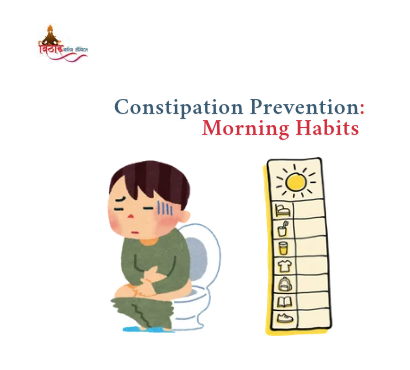
Constipation is one of the most common digestive complaints affecting people across all age groups. Many individuals experience difficulty passing stool occasionally, while others silently struggle with chronic constipation for months or even years.
Although constipation may appear like a minor issue initially, frequent bowel problems can gradually affect overall health, energy levels, comfort, appetite, mood, and daily routine.
Persistent constipation may also increase the risk of anorectal conditions such as:
- Piles
- Fissure
- Rectal irritation
- Painful bowel movements
- Swelling around the anus
Modern lifestyle habits have made constipation increasingly common in urban India. Long sitting hours, irregular meals, low-fibre diets, stress, dehydration, poor sleep, and lack of physical activity all contribute to digestive imbalance.
The good news is that small but consistent morning habits may support smoother bowel movements and healthier digestion over time.
Many people focus only on temporary constipation remedies without correcting the daily routine responsible for the problem.
This detailed guide explains practical morning habits that may help prevent constipation naturally, improve digestive rhythm, support bowel regularity, and reduce strain on anorectal health.
Why Morning Routine Matters for Digestion
The digestive system follows a natural biological rhythm.
For many people, bowel movement urge becomes strongest in the morning because:
- The digestive tract becomes active after waking
- Overnight fasting stimulates bowel movement reflexes
- Morning hydration activates digestion
- Physical movement encourages intestinal activity
A healthy morning routine may support smoother bowel emptying and reduce unnecessary strain.
Understanding What Causes Constipation
Constipation usually develops because stool becomes hard, dry, or difficult to pass.
Several factors contribute to this problem.
Low Fibre Intake
Fibre supports stool bulk and smoother bowel movement.
Inadequate Water Intake
Dehydration hardens stool consistency.
Sedentary Lifestyle
Lack of movement slows intestinal activity.
Ignoring Bowel Urge
Delaying toilet visits may disrupt bowel rhythm.
Stress and Irregular Sleep
Mental stress may indirectly affect digestion and bowel patterns.
Excessive Processed Food
Low-nutrient diets often reduce digestive efficiency.
Morning Habit 1: Wake Up at a Consistent Time
The digestive system responds well to routine.
Irregular sleep timing may affect:
- Digestion
- Hormonal balance
- Bowel movement patterns
- Appetite rhythm
Waking up at a consistent time daily helps regulate natural bowel signals.
Why Biological Rhythm Matters
The body functions better when sleep and meal timing remain relatively stable.
A rushed or irregular lifestyle may gradually disturb digestive health.
Morning Habit 2: Drink Water Soon After Waking
One of the simplest habits for bowel support is early morning hydration.
Water may help:
- Stimulate intestinal movement
- Soften stool
- Improve digestion
- Reduce bowel dryness
Some people prefer warm water because it feels soothing for digestion.
Hydration Throughout the Day Also Matters
Morning water alone is not enough.
Poor hydration throughout the day may still contribute to constipation.
Morning Habit 3: Avoid Immediately Checking Mobile Phone
Many people spend long periods scrolling on the phone immediately after waking.
This habit may:
- Delay bowel urge response
- Create mental stress
- Reduce physical activity
- Disturb natural digestive rhythm
A calmer morning routine may support healthier bowel patterns.
Morning Habit 4: Respond Naturally to Bowel Urge
One of the biggest constipation triggers is repeatedly ignoring the urge to pass stool.
Common reasons include:
- Work pressure
- Travel rush
- School or office timing
- Habit of delaying toilet visits
Over time, this may reduce bowel responsiveness and worsen constipation.
Avoid Excessive Straining
Forceful bowel movements increase pressure around the anal region and may contribute to piles or fissures.
Healthy bowel movements should feel natural rather than forced.
Morning Habit 5: Include Gentle Physical Movement
Physical activity supports intestinal movement and digestion.
Helpful activities include:
- Walking
- Stretching
- Light yoga
- Deep breathing exercises
Movement helps activate the digestive system naturally.
Sedentary Lifestyle Is a Major Digestive Problem
Modern desk-based lifestyles reduce physical movement significantly.
Long sitting hours may worsen:
- Constipation
- Bloating
- Digestive sluggishness
- Anorectal pressure
Even small movement routines may help improve bowel rhythm over time.
Morning Habit 6: Eat a Fibre-Rich Breakfast
Breakfast choices strongly influence digestion.
Helpful options may include:
- Fruits
- Oats
- Whole grains
- Nuts
- Seeds
- Fibre-rich traditional Indian meals
Highly processed breakfast items may worsen digestive imbalance.
Fibre Helps Stool Move Smoothly
Fibre supports:
- Stool softness
- Bowel regularity
- Digestive balance
- Reduced straining
Gradually increasing fibre intake often works better than sudden drastic changes.
Morning Habit 7: Avoid Excess Tea or Coffee on Empty Stomach
Some individuals depend entirely on tea or coffee to stimulate bowel movements.
While caffeine may temporarily activate digestion for some people, excessive dependence may not support long-term digestive balance.
Too much caffeine may also worsen dehydration in some individuals.
Morning Habit 8: Maintain Toilet Posture Comfort
Improper posture during bowel movement may increase strain.
Helpful habits include:
- Sitting comfortably
- Avoiding prolonged toilet sitting
- Staying relaxed
- Not forcing stool passage
Rushed or stressful bathroom habits may worsen constipation.
Why Constipation Should Never Be Ignored
Persistent constipation may contribute to several anorectal problems over time.
Repeated straining increases pressure around anal tissues and veins.
This may increase risk of:
- Piles
- Fissure
- Anal pain
- Swelling
- Bleeding during bowel movement
Individuals trying to improve digestive wellness and reduce anorectal discomfort often explore educational guidance related to Piles care to better understand constipation prevention, bowel management, and recovery-supportive lifestyle habits.
Signs That Constipation May Be Becoming Serious
Medical consultation becomes important if constipation is associated with:
- Severe straining
- Blood in stool
- Persistent bloating
- Painful bowel movements
- Sudden bowel habit changes
- Anal pain or swelling
Early evaluation helps identify underlying digestive or anorectal conditions.
Emotional Impact of Chronic Constipation
Many people underestimate how emotionally frustrating constipation can become.
Patients often experience:
- Irritability
- Anxiety before bowel movements
- Reduced appetite
- Discomfort during travel
- Fear of painful stool passage
Long-term digestive discomfort may gradually affect quality of life.
Lifestyle Habits That Support Better Digestion
Morning habits work best when supported by overall healthy lifestyle practices.
Stay Hydrated Throughout the Day
Consistent hydration supports bowel softness.
Exercise Regularly
Physical activity supports digestive movement.
Sleep Adequately
Poor sleep may affect hormonal and digestive rhythm.
Reduce Highly Processed Food Intake
Balanced meals support better intestinal function.
Manage Stress
Mental wellbeing also influences digestion.
Can Home Remedies Alone Cure Chronic Constipation?
Occasional constipation may improve with routine changes, but persistent symptoms require proper evaluation.
Repeated self-medication without diagnosis may delay identification of underlying conditions.
Understanding Modern Digestive Health Awareness
Today, more individuals are becoming aware that constipation is not simply a minor inconvenience. Proper bowel habits, digestive wellness, hydration, and fibre intake are now recognised as important aspects of overall health.
Treatment planning may involve:
- Dietary correction
- Hydration improvement
- Bowel training
- Lifestyle modification
- Medical evaluation in persistent cases
Individuals researching advanced anorectal management often explore information regarding Laser Treatment for Piles in Moshi while learning about bowel care strategies, constipation prevention, and modern anorectal wellness guidance.
Why Proper Diagnosis Matters
Not all constipation occurs due to lifestyle alone.
Accurate medical assessment may help identify:
- Chronic bowel issues
- Digestive disorders
- Anorectal complications
- Dietary deficiencies
- Lifestyle-related bowel dysfunction
Ignoring persistent constipation for long periods may worsen anorectal health.
Importance of Specialist Consultation
Successful constipation management depends on:
- Bowel habit assessment
- Lifestyle evaluation
- Dietary correction
- Hydration guidance
- Long-term digestive planning
Individuals seeking specialised anorectal consultation often explore guidance from a Proctologist In PCMC to better understand constipation-related anorectal symptoms, bowel care strategies, and personalised wellness planning.
Long-Term Prevention Tips
Consistency is extremely important for digestive wellness.
Helpful long-term habits include:
- Daily hydration
- Fibre-rich meals
- Physical activity
- Regular sleep
- Timely bowel routine
- Reduced processed food intake
Small sustainable habits usually work better than temporary fixes.
Modern Awareness Around Digestive Wellness
Today, awareness regarding constipation prevention and anorectal wellness has improved significantly. More people now understand the importance of bowel regularity, hydration, and preventive digestive care instead of waiting for severe symptoms to develop.
People researching specialised anorectal healthcare facilities often learn more about services available at Vithai Piles Hospital while understanding modern approaches to bowel care, piles prevention, and digestive wellness support.
Conclusion
Constipation prevention begins with simple daily habits rather than quick temporary remedies. Healthy morning routines such as hydration, physical movement, regular sleep timing, fibre-rich meals, and responding naturally to bowel urges may significantly support smoother digestion and better bowel regularity over time.
Consistent bowel care not only improves comfort but may also reduce the risk of piles, fissures, painful bowel movements, and anorectal strain.
Instead of ignoring constipation or depending only on short-term solutions, patients should focus on sustainable lifestyle improvements and timely medical guidance when symptoms persist.
FAQs
1. What is the best morning habit to prevent constipation?
Drinking water after waking, maintaining regular bowel timing, and including fibre-rich foods may support smoother bowel movements.
2. Can constipation cause piles?
Yes. Chronic constipation and excessive straining increase pressure around anal veins and may contribute to piles development.
3. When should I consult a doctor for constipation?
Medical consultation is important if constipation becomes frequent, painful, associated with bleeding, or affects daily comfort and bowel routine.