What is infrared coagulation (IRC) in proctology?
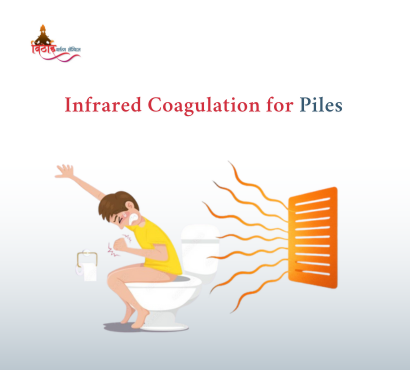
Infrared coagulation (IRC), also called infrared photocoagulation, is a specialised, office‑based treatment for internal hemorrhoids (piles). It uses targeted infrared light to shrink bleeding or prolapsing internal piles without surgery, anaesthesia or hospital stay.
Ideal for grade 1–2 internal hemorrhoids, IRC coagulates blood vessels at the pile’s base, causing scarring that cuts off blood supply and lets the pile shrink. In India, where piles affect millions, IRC offers quick relief from bleeding and discomfort.
Why IRC is a game‑changer for proctology
Traditional piles treatments like surgery carry risks, downtime and pain. IRC is minimally invasive: no cuts, no stitches, no general anaesthesia.
Benefits include:
- 5–10 minute procedure.
- Minimal or no pain during/after.
- Outpatient – go home same day.
- Low complication rate; effective for small/medium piles.
- Multiple sessions if needed, spaced weeks apart.
Studies show IRC stops bleeding in 80–90% cases, with low recurrence when combined with lifestyle changes.
How IRC works: the science
Hemorrhoids swell from dilated veins. IRC probe emits infrared light (heat) to the base, coagulating proteins and vessels.
Heat creates scar tissue, strangling blood flow. Pile shrinks over 1–2 weeks, symptoms resolve. Short bursts (0.5–1 sec) per spot; 3–6 spots per session.
Procedure: what to expect
- Consultation: Proctologist examines via anoscopy to confirm grade 1–2 internal piles.
- Positioning: Left side or lithotomy.
- Anoscope insertion: Gentle plastic device opens anal canal.
- IRC application: Probe placed above pile; 3–6 bursts of light (no pain felt).
- Done: 5–10 mins; no sedation needed.
Post‑procedure: mild discomfort 1–2 days; soft diet; avoid straining. Resume normal activities immediately.
When is IRC recommended?
- Bleeding internal piles (grade 1–2).
- Prolapsing piles not responding to creams/diet.
- Patients unfit for surgery (elderly, comorbidities).
Not for external, grade 3–4 or thrombosed piles (other options like banding/RBL).
Benefits over other proctology treatments
| IRC | Rubber Band Ligation | Surgery |
| Painless, 5 mins | Mild pain, 10 mins | Painful, 30–60 mins |
| No anaesthesia | Local anaesthesia | General anaesthesia |
| Outpatient | Outpatient | Hospital stay |
| Low complications | Ulcer risk | Infection/bleeding risk |
| Quick recovery | 1–2 days discomfort | 1–2 weeks |
IRC excels for early piles; success 80–90% first session.
Potential side effects and management
Rare: mild bleeding, pain, ulceration (1–2%). Managed with stool softeners, hygiene. Recurrence if lifestyle unchanged (high fibre, water).
What is Proctology? Understanding the Speciality
Proctology is the branch of general surgery where surgeons deal specifically with rectum and anus problems. “Procto” means the rectum, and this branch focuses exclusively on diseases of the rectum and anal region.
This speciality is specially designed to treat:
- Piles (hemorrhoids)
- Fissure
- Fistula
- Anal Cancer
- Anal Polyp
- Hypertrophied Anal Papillae
- Constipation
- Prolapse of Rectum
- Itching of Anus
- Ulcerative Colitis
- Pilonidal Sinus
- Perianal Abscess
- Pregnancy-related piles, fissure and other conditions
To deal with these diseases effectively, special equipment, setups and expertise are required. Proctology specialist hospitals are equipped with exclusive facilities from diagnosis through complete pain management and patient comfort.
For lady patients suffering from such conditions, examination happens in a comfortable, private environment. Women suffering from piles, fissure or fistula during pregnancy or after pregnancy have slightly different pathology than regular patients, requiring specialised treatment approaches. Proctologists and proctology specialist hospitals manage these conditions very well.
Special recognition is also given by all medical insurance companies to proctology specialist hospitals for their focused expertise and outcomes.
Vitthal Piles Hospital, situated in PCMC Pune with their three branches, is a leading proctology specialist hospital well appreciated by everyone who has visited or received treatment. Dr. Sarita Patil (lady proctologist) and Dr. Atul Patil are the specialist piles surgeons available here.
Step-by-step at Vitthal Piles Hospital (PCMC Pune):
- Consultation: Dr. Sarita Patil or Dr. Atul Patil examines via anoscopy to confirm internal piles grade
- Positioning: Comfortable left lateral position
- Anoscope insertion: Gentle device visualizes hemorrhoids
- IRC application: 3-6 infrared bursts (0.5-1 second each) above each pile base
- Completion: Total 5-10 minutes, no sedation needed
Branches available: Baner, Ravet, Pimple Saudagar, Moshi Chikkali, Nigdi and Pimpri Chinchwad area. Call 9405659585 for consultation details.
FAQs
- Is IRC painful for piles treatment?
No – infrared bursts are quick; most feel nothing. Mild post‑discomfort resolves fast. - How many IRC sessions needed?
1–3, 2–4 weeks apart, depending on piles size/number. - Does IRC prevent piles recurrence?
Treats current piles effectively; combine with diet (fibre, water) for long‑term prevention.