
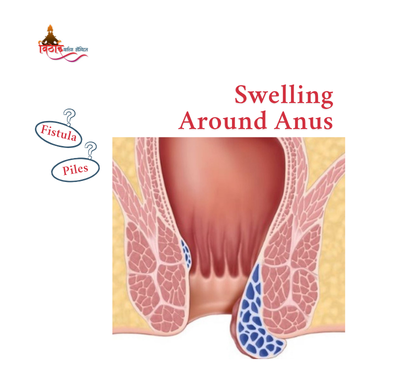
Swelling around the anus is a symptom many people feel uncomfortable discussing openly. Some notice a small lump while cleaning the area, while others experience pain, pressure, or discomfort during sitting and bowel movements. In most cases, people immediately assume the problem is piles or hemorrhoids.
Although hemorrhoids are a common reason behind anal swelling, they are not the only cause.
In some situations, swelling around the anus may indicate other anorectal conditions such as fissures, fistula, infection, abscess, or inflammation. Ignoring these symptoms for long periods may lead to worsening discomfort and complications.
Many individuals delay medical consultation because:
- They feel embarrassed
- Symptoms come and go
- They fear surgery
- They rely on home remedies
- They assume swelling will disappear naturally
Unfortunately, delaying evaluation may sometimes allow the underlying condition to progress further.
Across India, anorectal problems are increasingly common because of modern lifestyle habits including constipation, prolonged sitting, low-fibre diets, dehydration, obesity, and sedentary work patterns.
The good news is that early awareness and proper diagnosis often help improve symptom management and recovery outcomes.
This detailed guide explains the common causes of anal swelling, warning signs patients should not ignore, differences between hemorrhoids and other anorectal conditions, and when medical evaluation becomes important.
Understanding Why Anal Swelling Happens
Swelling develops when tissues around the anal area become inflamed, infected, irritated, or enlarged.
Several conditions may contribute to swelling, including:
- Hemorrhoids
- Anal fissure
- Anal fistula
- Abscess
- Infection
- Skin irritation
- Inflammatory bowel conditions
The exact cause can only be identified through proper medical examination.
Hemorrhoids Are Common — But Not the Only Cause
Piles or hemorrhoids occur when veins around the anal canal become swollen due to pressure.
This pressure may increase because of:
- Chronic constipation
- Excessive straining
- Long sitting hours
- Pregnancy
- Obesity
- Low-fibre diet
Swollen hemorrhoids may create a soft lump or pressure sensation around the anal area.
Common Signs of Hemorrhoids
Symptoms may include:
- Bleeding during bowel movement
- Itching
- Burning sensation
- Swelling
- Discomfort while sitting
- Pain during constipation
However, not every swelling is caused by hemorrhoids.
When Swelling Could Mean Something Else
Persistent swelling associated with severe pain, discharge, fever, or infection may suggest another anorectal condition.
Recognising warning signs early helps prevent delays in diagnosis.
1. Painful Swelling with Fever
If swelling is associated with:
- Fever
- Warmth
- Severe pain
- Difficulty sitting
It may indicate an anal abscess.
An abscess is a collection of infection and pus near the anal area.
Ignoring infection may increase discomfort and risk of complications.
2. Swelling with Pus Discharge
Discharge from swelling may suggest fistula formation.
Patients may notice:
- Yellow drainage
- Sticky discharge
- Moisture around the anus
- Recurrent swelling
This often requires proper medical evaluation.
3. Swelling with Sharp Pain During Stool Passage
Painful swelling associated with bowel movements may occur in anal fissure.
Fissures are small tears in the anal lining that may cause:
- Burning pain
- Bleeding
- Tightness
- Irritation
Constipation often worsens these symptoms.
4. Repeated Swelling That Returns Frequently
Swelling that repeatedly improves and returns may indicate chronic infection or fistula.
Temporary relief does not always mean complete healing.
Repeated symptoms deserve proper diagnosis.
5. Hard or Tender Lump Near the Anus
Some patients notice a firm painful lump around the anal region.
This may occur because of:
- Thrombosed hemorrhoid
- Infection
- Abscess formation
- Inflamed tissue
Pain severity may increase during sitting or bowel movements.
Why Constipation Plays a Major Role
Constipation is one of the most important contributors to anorectal problems.
Hard stool increases:
- Straining
- Pressure around anal veins
- Tissue irritation
- Swelling risk
- Pain during bowel movement
Maintaining healthy bowel habits becomes essential for long-term anorectal comfort.
Individuals trying to improve digestive health and understand long-term anorectal wellness often explore educational guidance related to Piles care to better understand constipation prevention, bowel management, and recovery-supportive lifestyle habits.
Why Many Patients Delay Treatment
People commonly avoid consultation because:
- They feel embarrassed
- Symptoms reduce temporarily
- They fear painful treatment
- They assume swelling is harmless
- They depend on over-the-counter creams
Unfortunately, delayed treatment may increase symptom severity over time.
Lifestyle Factors Increasing Anal Swelling Risk
Several modern lifestyle habits contribute to anorectal stress.
Prolonged Sitting
Long sitting hours increase pelvic and rectal pressure.
Poor Diet
Low fibre intake affects stool consistency.
Dehydration
Inadequate hydration worsens constipation.
Lack of Exercise
Reduced physical activity slows digestive movement.
Obesity
Excess abdominal pressure may worsen anorectal swelling.
Symptoms That Should Never Be Ignored
Medical consultation becomes important if swelling is associated with:
- Severe pain
- Fever
- Bleeding
- Pus discharge
- Difficulty sitting
- Repeated recurrence
- Bowel movement pain
Early diagnosis helps reduce complications and supports better recovery planning.
Difference Between Hemorrhoids and Fistula
Many patients confuse piles with fistula because both may involve swelling.
However, fistula often includes:
- Infection
- Recurrent discharge
- External opening near anus
- Persistent swelling
- Chronic irritation
Treatment planning differs significantly between the two conditions.
Can Home Remedies Cure Every Anal Swelling?
No.
While some mild irritation may improve with supportive care, persistent swelling should not be self-treated repeatedly without diagnosis.
Depending entirely on random creams or internet remedies may delay appropriate management.
Importance of Proper Hygiene
Maintaining hygiene around the anal region helps reduce irritation and infection risk.
Helpful measures include:
- Gentle cleaning
- Keeping the area dry
- Avoiding excessive rubbing
- Wearing breathable cotton clothing
Harsh soaps and aggressive cleaning may worsen irritation.
Role of Diet in Anorectal Health
Healthy food habits support smoother bowel movements and reduced pressure.
Helpful dietary choices include:
- Fruits
- Vegetables
- Whole grains
- Fibre-rich foods
- Adequate water intake
Balanced digestion supports anorectal comfort.
Understanding Modern Treatment Awareness
Today, awareness regarding minimally invasive anorectal procedures has improved significantly. Treatment planning depends on the exact diagnosis, severity, infection status, and patient condition.
Depending on the cause, management may involve:
- Medication
- Infection drainage
- Constipation management
- Lifestyle correction
- Minimally invasive procedures
- Surgical care in selected cases
Individuals researching advanced anorectal management often explore information regarding Laser Treatment for Piles in Moshi while learning about modern treatment approaches, recovery planning, and bowel health guidance.
Emotional Impact of Chronic Anal Symptoms
Persistent anorectal symptoms may affect emotional wellbeing more than many people realise.
Patients often struggle with:
- Embarrassment
- Anxiety before bowel movements
- Fear of worsening pain
- Difficulty during travel
- Reduced social confidence
Proper counselling and early diagnosis help reduce unnecessary stress.
Why Specialist Consultation Matters
Successful anorectal management depends on:
- Correct diagnosis
- Severity assessment
- Infection evaluation
- Bowel habit analysis
- Long-term prevention guidance
Individuals seeking specialised anorectal consultation often explore guidance from a Proctologist In PCMC to better understand swelling causes, bowel care strategies, and personalised treatment planning.
Long-Term Prevention Tips
Although not all anorectal conditions can be prevented completely, healthy habits may reduce risk significantly.
Helpful preventive measures include:
- Avoid constipation
- Stay hydrated
- Exercise regularly
- Maintain healthy body weight
- Avoid excessive toilet strain
- Respond naturally to bowel urges
Consistency is important for long-term bowel health.
Modern Awareness Around Anorectal Care
Today, more people are openly discussing anorectal health instead of silently tolerating symptoms for years. Awareness regarding constipation prevention, minimally invasive procedures, and bowel health has improved considerably in urban India.
People researching specialised anorectal healthcare facilities often learn more about services available at Vithai Piles Hospital while understanding modern approaches to piles, fissure, fistula, and anorectal recovery care.
Conclusion
Swelling around the anus should never be ignored, especially when associated with pain, bleeding, discharge, fever, or bowel discomfort. While hemorrhoids are a common cause, other anorectal conditions such as fissures, fistula, or infection may also produce similar symptoms.
Early awareness, proper hygiene, healthy bowel habits, hydration, and timely medical consultation can help reduce complications and support better long-term anorectal health.
Instead of silently tolerating discomfort or depending only on temporary remedies, patients should prioritise proper diagnosis and professional guidance before symptoms become more severe and difficult to manage.
FAQs
1. Is every anal swelling caused by hemorrhoids?
No. Anal swelling may also occur due to fissure, fistula, abscess, infection, or inflammatory conditions.
2. When should I worry about swelling near the anus?
Medical consultation is important if swelling is painful, recurrent, associated with fever, discharge, or bleeding.
3. Can constipation worsen anal swelling?
Yes. Constipation and excessive straining increase pressure around anorectal tissues and may worsen swelling and discomfort.