
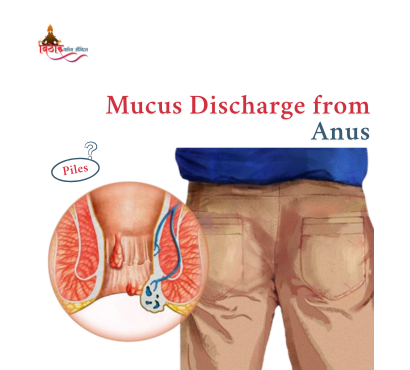
Mucus discharge from the anus is a symptom many people silently ignore for a long time. Some notice slight wetness in undergarments, while others experience sticky discharge, irritation, itching, or discomfort around the anal region. Because the symptom may appear mild initially, many assume it is temporary or related to sweating, digestion, or poor hygiene.
However, persistent mucus discharge should never be ignored.
In many cases, it may indicate an underlying anorectal condition such as piles, fissure, fistula, infection, or inflammation around the anal canal.
Unfortunately, embarrassment prevents many patients from discussing these symptoms openly. Instead of seeking proper diagnosis, they continue depending on random ointments, powders, or home remedies without understanding the actual cause.
Over time, untreated symptoms may gradually worsen and begin affecting daily comfort, hygiene, confidence, and bowel habits.
Across India, anorectal problems are increasingly common because of sedentary lifestyle habits, constipation, low-fibre diets, dehydration, obesity, and prolonged sitting patterns.
The good news is that early awareness and timely medical evaluation often help improve symptom management and prevent complications.
This detailed guide explains why mucus discharge from the anus happens, which warning signs should not be ignored, what conditions may cause it, and what lifestyle habits may support better anorectal health.
What Is Mucus Discharge from the Anus?
Mucus is a slippery substance naturally produced inside the digestive tract to help stool move smoothly.
However, excessive mucus discharge outside the anus may indicate irritation, inflammation, infection, or anorectal disease.
Patients may notice:
- Wetness around the anal area
- Sticky discharge
- Yellow or clear mucus
- Staining in undergarments
- Persistent moisture sensation
The severity may vary depending on the underlying condition.
Why Mucus Discharge Happens
Mucus discharge may occur because of:
- Inflamed hemorrhoids
- Anal fistula
- Infection
- Irritated anal lining
- Chronic inflammation
- Prolapsed piles
- Fissures with irritation
Persistent discharge usually suggests ongoing irritation or tissue inflammation.
Early Warning Signs Patients Often Ignore
Many anorectal conditions begin with subtle symptoms before becoming more severe.
Recognising early signs helps patients seek timely care.
1. Persistent Moisture Around the Anal Area
Continuous wetness may create discomfort throughout the day.
Patients often describe:
- Sticky feeling
- Damp undergarments
- Irritation while walking
- Uneasiness during work hours
Persistent moisture may also worsen skin irritation.
2. Itching and Skin Irritation
Mucus discharge may irritate surrounding skin and cause:
- Itching
- Burning sensation
- Redness
- Sensitivity
- Discomfort during sitting
Repeated scratching may further worsen inflammation.
3. Swelling or Lump Near the Anus
Discharge associated with swelling may indicate:
- Hemorrhoids
- Fistula
- Infection
- Inflammation
The swelling may feel soft, tender, or painful depending on the condition.
4. Pain During Bowel Movements
Pain while passing stool may occur if mucus discharge is related to fissure or inflammation.
Patients may experience:
- Burning pain
- Sharp discomfort
- Irritation after bowel movement
- Pressure sensation
Constipation often worsens these symptoms.
5. Recurrent Discharge Episodes
Some individuals notice symptoms improving temporarily before returning again.
Repeated discharge may suggest:
- Chronic inflammation
- Fistula tract
- Ongoing infection
- Persistent hemorrhoidal irritation
Recurring symptoms should never be ignored.
Common Conditions That May Cause Mucus Discharge
Several anorectal problems may lead to discharge symptoms.
Hemorrhoids (Piles)
Inflamed internal hemorrhoids may produce mucus because of irritation and swelling.
Symptoms may include:
- Bleeding
- Itching
- Swelling
- Discomfort during bowel movement
Anal Fistula
Fistula commonly causes persistent or recurrent discharge.
Patients may notice:
- Pus-like drainage
- Moisture around the anus
- Repeated swelling
- Pain during sitting
Anal Fissure
Chronic fissures may produce irritation and mild mucus secretion.
Pain during bowel movement is often significant.
Infection or Abscess
Infections near the anal area may produce:
- Discharge
- Swelling
- Fever
- Pain
- Warmth around the area
Why Constipation Makes Symptoms Worse
Constipation significantly increases anorectal pressure and irritation.
Hard stool may worsen:
- Swelling
- Inflammation
- Pain
- Bleeding
- Discharge
Healthy bowel habits are essential for long-term anorectal comfort.
Individuals trying to improve digestive wellness and reduce anorectal discomfort often explore educational guidance related to Piles care to better understand constipation prevention, bowel management, and recovery-supportive lifestyle habits.
Why Many Patients Delay Medical Consultation
People commonly avoid seeking help because:
- They feel embarrassed
- Symptoms seem minor initially
- Discharge may temporarily reduce
- They fear surgery
- They assume it is due to heat or sweating
Unfortunately, untreated anorectal conditions may gradually worsen over time.
Lifestyle Factors That Increase Anorectal Problems
Several daily habits contribute to anorectal irritation.
Prolonged Sitting
Long sitting hours increase pressure around rectal veins.
Low Fibre Diet
Poor fibre intake affects stool consistency.
Dehydration
Inadequate hydration worsens constipation.
Lack of Physical Activity
Sedentary habits slow digestive movement.
Excessive Straining
Forceful bowel movements increase anorectal pressure.
Importance of Proper Hygiene
Maintaining hygiene helps reduce irritation and skin discomfort.
Helpful practices include:
- Gentle cleaning
- Keeping the area dry
- Avoiding harsh soaps
- Wearing breathable cotton clothing
Excessive rubbing may worsen irritation further.
Can Mucus Discharge Go Away on Its Own?
Temporary irritation may improve in mild cases, but persistent or recurrent discharge should always be medically evaluated.
Ignoring symptoms may delay diagnosis of conditions like fistula or chronic hemorrhoids.
When Should You Consult a Doctor?
Medical consultation becomes important if discharge is associated with:
- Pain
- Swelling
- Bleeding
- Fever
- Persistent itching
- Difficulty sitting
- Repeated recurrence
Early diagnosis supports better treatment planning.
Understanding Modern Treatment Awareness
Today, awareness regarding minimally invasive anorectal procedures has improved significantly. Treatment depends on the exact diagnosis, symptom severity, infection status, and overall anorectal health.
Management may involve:
- Medication
- Infection control
- Constipation management
- Lifestyle modification
- Minimally invasive procedures
- Surgical treatment in selected cases
Individuals researching advanced anorectal management often explore information regarding Laser Treatment for Piles in Moshi while learning about modern treatment approaches, recovery guidance, and bowel health support.
Emotional Impact of Chronic Anal Symptoms
Persistent discharge and irritation may affect emotional wellbeing more than many people realise.
Patients often struggle with:
- Embarrassment
- Anxiety during travel
- Fear of odour or leakage
- Reduced confidence socially
- Discomfort during work
Supportive counselling and proper medical guidance help reduce unnecessary stress.
Why Proper Diagnosis Matters
Many anorectal conditions produce similar symptoms.
Accurate diagnosis helps determine:
- Whether infection is present
- If fistula exists
- Severity of hemorrhoids
- Presence of fissure
- Need for procedural treatment
Self-treatment alone may delay appropriate management.
Importance of Specialist Consultation
Successful anorectal care depends on:
- Correct diagnosis
- Bowel habit assessment
- Infection evaluation
- Lifestyle guidance
- Long-term prevention planning
Individuals seeking specialised anorectal consultation often explore guidance from a Proctologist In PCMC to better understand discharge symptoms, bowel care strategies, and personalised treatment planning.
Long-Term Prevention Tips
Although not all anorectal conditions are completely preventable, healthy habits may reduce risk significantly.
Helpful measures include:
- Avoid constipation
- Increase fibre intake
- Stay hydrated
- Exercise regularly
- Avoid excessive toilet strain
- Maintain proper hygiene
Consistency supports better bowel health.
Modern Awareness Around Anorectal Care
Today, more individuals are openly discussing anorectal symptoms and seeking earlier treatment instead of silently tolerating discomfort for years. Awareness regarding bowel health, constipation prevention, and minimally invasive anorectal care has improved significantly.
People researching specialised anorectal healthcare facilities often learn more about services available at Vithai Piles Hospital while understanding modern approaches to piles, fissure, fistula, and anorectal recovery care.
Conclusion
Mucus discharge from the anus should never be ignored, especially when associated with swelling, pain, itching, bleeding, or repeated irritation. While some mild irritation may temporarily improve, persistent symptoms often indicate an underlying anorectal condition requiring proper evaluation.
Early awareness, healthy bowel habits, hydration, fibre intake, hygiene, and timely medical guidance can help reduce complications and support better long-term anorectal wellness.
Instead of silently tolerating symptoms out of embarrassment or fear, patients should prioritise proper diagnosis and professional care before symptoms become more severe and emotionally distressing.
FAQs
1. Is mucus discharge from the anus normal?
Occasional mild mucus may occur, but persistent or repeated discharge should be medically evaluated.
2. Can piles cause mucus discharge?
Yes. Inflamed internal hemorrhoids may sometimes produce mucus along with itching and irritation.
3. When should I consult a doctor for anal discharge?
Medical consultation is important if discharge is persistent, painful, associated with swelling, bleeding, fever, or recurrent irritation.