
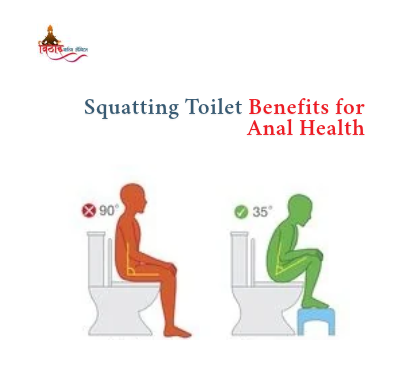
Using a squatting toilet is common in many Indian homes, but have you ever wondered whether this position is actually better for your anal health? Some people find it easier to pass stools while squatting, whereas others experience discomfort, particularly if they have knee pain, piles or other health concerns.
Toilet posture can influence how comfortably your bowels empty. The position of your hips and pelvis affects the muscles involved in passing stools, which may influence straining and the feeling of incomplete bowel emptying.
Understanding the squatting toilet benefits for anal health is especially useful if you frequently experience constipation, piles (haemorrhoids), anal fissures or discomfort during bowel movements. However, it is equally important to understand what toilet posture can and cannot do. A squatting position may make bowel movements easier for some people, but it is not a treatment or guaranteed way to prevent anal conditions.
How Does Toilet Posture Affect Anal Health?
Passing stools involves coordinated movement between the rectum, anal canal and pelvic floor muscles. These muscles need to relax at the right time so that stool can pass comfortably.
One important muscle is the puborectalis muscle. It helps maintain the angle between the rectum and anal canal. When you sit upright on a conventional Western toilet, this angle remains relatively bent. Squatting or raising your knees while sitting can help change the angle and allow the muscles to relax more effectively.
This may make bowel movements easier and reduce the effort required to pass stools.
An Indian consensus statement on chronic constipation discusses the potential advantages of squatting, including better relaxation of the puborectalis muscle and easier stool evacuation. However, it also acknowledges that the available research is limited.
PubMed Central (PMC)
5 Squatting Toilet Benefits for Anal Health
A squatting position may support more comfortable bowel movements, particularly for people who find it difficult to empty their bowels while sitting upright.
Here are five potential benefits.
1. May Make Passing Stools Easier
One of the main advantages of squatting is the change in the recto-anal angle.
When the hips and knees are flexed, the pelvic floor muscles may relax more effectively. This can create a more favourable passage for stool to move through the anal canal.
For some people, this means less effort is needed during bowel movements.
However, the experience differs between individuals. Squatting does not automatically resolve constipation, especially when it is related to diet, medication, bowel disorders or other medical conditions.
2. May Help Reduce Excessive Straining
Straining is an important concern for people experiencing piles or anal fissures.
Repeatedly pushing hard during bowel movements can increase pressure around the anal and rectal blood vessels. It may also irritate an existing anal fissure or worsen discomfort.
A comfortable squatting position may make stool passage easier and reduce the need for excessive pushing.
This is useful because avoiding straining is an important part of maintaining healthy bowel habits. However, toilet posture alone cannot prevent piles or guarantee that an existing condition will not worsen.
3. May Improve the Feeling of Complete Bowel Emptying
Do you sometimes feel that you have passed stools but still need to use the toilet again?
This sensation is known as incomplete bowel evacuation. It can occur for several reasons, including constipation and problems with pelvic floor coordination.
Squatting may help some individuals empty their bowels more comfortably by improving the alignment of the rectum and anal canal.
If incomplete evacuation happens frequently, it should not automatically be attributed to toilet posture. Persistent symptoms may require assessment to identify the underlying cause.
4. May Be Helpful for People With Constipation
Constipation can make bowel movements uncomfortable. Hard stools, prolonged toilet visits and repeated straining may increase pressure around the anal region.
A squatting position may help make evacuation easier for some people. It can be particularly useful when combined with other healthy bowel habits, such as:
- Eating enough fibre through fruits, vegetables, pulses and whole grains.
- Drinking sufficient fluids throughout the day.
- Staying physically active.
- Responding promptly when you feel the urge to pass stools.
- Avoiding prolonged sitting on the toilet.
Remember that constipation can have several causes. If it continues despite lifestyle changes, medical evaluation may be necessary.
5. May Support Better Pelvic Floor Relaxation
The pelvic floor is a group of muscles that supports the pelvic organs and helps control bowel movements.
For stool to pass comfortably, these muscles need to coordinate and relax appropriately. A squatting position may help some people achieve this relaxation.
However, people with pelvic floor dysfunction may continue to experience difficulty even when using a squatting toilet. Such problems sometimes require specific assessment and pelvic floor therapy rather than simply changing toilet posture.
Squatting Toilet vs Western Toilet: Which Is Better for Anal Health?
Both Indian squatting toilets and Western sitting toilets have advantages and limitations. The more suitable option depends on your mobility, comfort, medical history and ability to maintain a relaxed bowel movement.
| Feature | Squatting Toilet | Western Sitting Toilet |
| Body position | Hips and knees are deeply bent | Hips and knees remain more open |
| Recto-anal angle | May help widen the angle | Usually maintains a more bent angle |
| Bowel evacuation | May make passage easier for some people | May require posture adjustment for some individuals |
| Straining | May reduce effort in certain individuals | Raising the feet may help reduce straining |
| Joint comfort | Can be difficult for people with knee or hip problems | Often more comfortable for people with limited mobility |
| Accessibility | May be challenging for older adults | Generally easier to use with suitable support |
Which should you choose?
If you can squat comfortably and safely, a squatting toilet may be a suitable option. However, you do not need to switch to an Indian toilet to support healthy bowel movements.
If you use a Western toilet, placing a small, stable footstool under your feet can help raise your knees above your hips. Leaning slightly forward and relaxing your abdominal muscles may also help.
The goal is comfortable bowel emptying without excessive straining, not choosing one toilet type at the expense of your safety.
Can Squatting Toilets Help Prevent Piles and Anal Fissures?
This is one of the most common questions people have about toilet posture.
Squatting may help reduce straining for some individuals, which is relevant because excessive straining is associated with haemorrhoids and can aggravate anal fissures.
However, there is an important difference between reducing a risk factor and preventing a medical condition.
Squatting and Piles
Piles, medically known as haemorrhoids, are swollen vascular structures inside or around the anus. They may cause symptoms such as bleeding, itching, swelling, discomfort or a lump near the anal opening.
Chronic constipation, straining and spending excessive time on the toilet can contribute to haemorrhoid symptoms.
Using a comfortable toilet posture may help reduce unnecessary straining. However, it cannot remove existing piles or replace appropriate treatment.
NIDDK+1
Squatting and Anal Fissures
An anal fissure is a small tear in the lining of the anal canal. It can cause sharp pain during bowel movements, burning discomfort afterwards and sometimes bright red bleeding.
Passing hard stools and straining can contribute to the development or aggravation of fissures.
Squatting may make stool passage easier for some people, but keeping stools soft is equally important. Adequate fibre, fluids and appropriate treatment may be needed depending on the condition.
NHS+1
Important: If you experience repeated bleeding, severe pain or persistent discomfort during bowel movements, consult a doctor instead of relying only on toilet posture changes.
How to Use a Squatting Toilet Correctly
Using a squatting toilet does not automatically mean you are following the right bowel habits. Your posture, breathing and the amount of effort you use are equally important.
Consider these practical tips:
- Maintain a stable position: Keep your feet firmly placed on the designated foot areas. Avoid balancing on an unstable surface.
- Relax your abdominal muscles: Do not hold your breath or push forcefully.
- Respond to the urge: Avoid delaying bowel movements unnecessarily.
- Do not spend too long in the toilet: If stools are not passing comfortably, avoid prolonged attempts and try again when the urge returns.
- Maintain proper hygiene: Clean the anal area gently after bowel movements to avoid irritation.
If you have knee pain, arthritis, balance difficulties or a history of joint problems, a squatting toilet may not be the safest option. Choose a toilet arrangement that allows you to use the bathroom comfortably without risking a fall.
How Can You Maintain Good Anal Health Every Day?
Toilet posture is only one part of maintaining anal health. Your bowel habits, diet, hydration and physical activity also play an important role.
Eat a Fibre-Rich Diet
Fibre helps add bulk to stools and makes them easier to pass. Include foods such as:
- Green leafy vegetables and other seasonal vegetables.
- Papaya, guava, apples and pears.
- Whole grains such as oats and whole wheat.
- Pulses, beans and lentils.
- Fibre-rich seeds and other suitable dietary sources.
Increase fibre gradually, particularly if your current diet contains very little fibre.
Drink Enough Water
Insufficient fluid intake can contribute to hard stools, particularly when your diet is also low in fibre.
Drink water regularly throughout the day. Your fluid requirements may vary depending on your activity level, climate and medical conditions.
Avoid Holding Back Bowel Movements
Ignoring the urge to pass stools can make bowel habits less regular. When you feel the need to use the toilet, try to respond rather than repeatedly postponing it.
Avoid Excessive Straining
Do not forcefully push to empty your bowels. Excessive straining can increase pressure around the anal region and aggravate existing symptoms.
Stay Physically Active
Regular walking and other suitable physical activities can support bowel regularity. Even simple daily movement can be helpful for people who spend long hours sitting.
When Should You Consult a Proctologist?
Occasional difficulty passing stools does not always indicate a serious problem. However, repeated symptoms should not be ignored.
Consider consulting a doctor if you experience:
- Bright red blood during or after bowel movements.
- Sharp or burning pain while passing stools.
- Persistent itching or irritation around the anus.
- A lump or swelling near the anal opening.
- Repeated constipation or difficulty emptying your bowels.
- Discharge, swelling or discomfort around the anal region.
These symptoms may be associated with piles, anal fissures, fistula or other anorectal conditions. A proper examination helps identify the actual cause.
Rectal bleeding should not automatically be assumed to be piles. It can have other causes and requires appropriate assessment.
NIDDK+1
Can You Manage Piles or Fissures Only by Changing Toilet Posture?
No. Changing toilet posture may help improve bowel movement comfort, but it is not a substitute for medical treatment.
The appropriate approach depends on the underlying condition, its severity and the symptoms you experience.
| Condition | Common Symptoms | Why Medical Assessment Matters |
| Piles (Haemorrhoids) | Bleeding, itching, swelling or a lump | Assessment helps identify the type and severity and guide suitable treatment |
| Anal Fissure | Sharp pain, burning and bleeding during bowel movements | Persistent fissures may require medication or other treatment |
| Anal Fistula | Repeated discharge, pain, swelling or an opening near the anus | A fistula usually requires specialist evaluation |
| Chronic Constipation | Hard stools, infrequent bowel movements or incomplete evacuation | The underlying cause may need investigation and treatment |
Treatment options vary. Some conditions improve with dietary changes and medication, while others may require a procedure or surgery.
If you are experiencing symptoms, you can read more about piles treatment in Pimpri Chinchwad and understand when medical evaluation may be helpful.
Getting the Right Care for Anal Health in Pimpri Chinchwad
People experiencing piles, fissures, fistula or recurring bowel discomfort often delay consultation because they feel embarrassed discussing symptoms.
However, these are common medical concerns, and seeking an assessment early can help identify the problem and prevent unnecessary discomfort.
If you are looking for a proctologist in Pimpri Chinchwad, consider discussing your symptoms, medical history and treatment options with an appropriate specialist.
You can also find information about a piles specialist in Pimpri Chinchwad if you need guidance about where to seek care.
For concerns related to fistula or persistent anal discomfort, you can also contact the clinic for fistula treatment in Pimpri Chinchwad.
The right treatment depends on the diagnosis. Do not start medication or delay an examination based only on online information.
Frequently Asked Questions
1. Is a squatting toilet better for piles?
A squatting position may help some people pass stools with less straining. Since excessive straining can aggravate piles, this may be beneficial for bowel comfort. However, squatting does not cure existing piles or guarantee prevention.
2. Does using a squatting toilet prevent anal fissures?
Not necessarily. Squatting may make bowel movements easier for some individuals, but fissures can develop due to hard stools, constipation and other factors. Keeping stools soft and avoiding straining are important preventive measures.
3. Is a Western toilet bad for anal health?
No. A Western toilet is not inherently harmful. You can improve your posture by placing a stable footstool under your feet, raising your knees above your hips and leaning slightly forward.
4. How long should you sit on the toilet during a bowel movement?
Avoid prolonged sitting and repeated forceful attempts. If you cannot pass stools comfortably, stop straining and try again when the urge returns.
5. Can squatting help with constipation?
Squatting may improve the position of the rectum and anal canal, helping some people pass stools more comfortably. However, persistent constipation may need dietary changes, medication or medical evaluation depending on its cause.
Conclusion: Is Squatting Good for Your Anal Health?
Squatting toilet benefits for anal health mainly relate to the way body posture can influence bowel movement and straining. For some individuals, squatting may make stool passage easier, improve the feeling of bowel emptying and support better pelvic floor relaxation.
However, maintaining good anal health requires more than choosing the right toilet. A fibre-rich diet, adequate hydration, regular physical activity and healthy bowel habits are equally important.
If you experience recurring constipation, bleeding, pain, swelling or discomfort during bowel movements, consult a suitable specialist. Identifying the underlying cause is more important than relying on toilet posture alone.
Medical Disclaimer: This article is intended for general informational purposes only. It does not replace individual medical assessment, diagnosis or treatment. The appropriate management of piles, fissures, fistula and other anal conditions depends on individual symptoms and clinical evaluation.